Μαρία Πατρώνου

Maria Patronou

Nikos Vavatsis` portraits behave like a mirror. At first sight they look like distorting the human face, as its characteristics «are buried» under overlapping…

Προσωπογραφίες Βαβάτση

« Έχω ένα εσωτερικό που αγνοούσα.
Όλα τώρα πηγαίνουν εκεί μέσα.
Δεν ξέρω τι συμβαίνει εκεί».
Rainer Maria Rilke

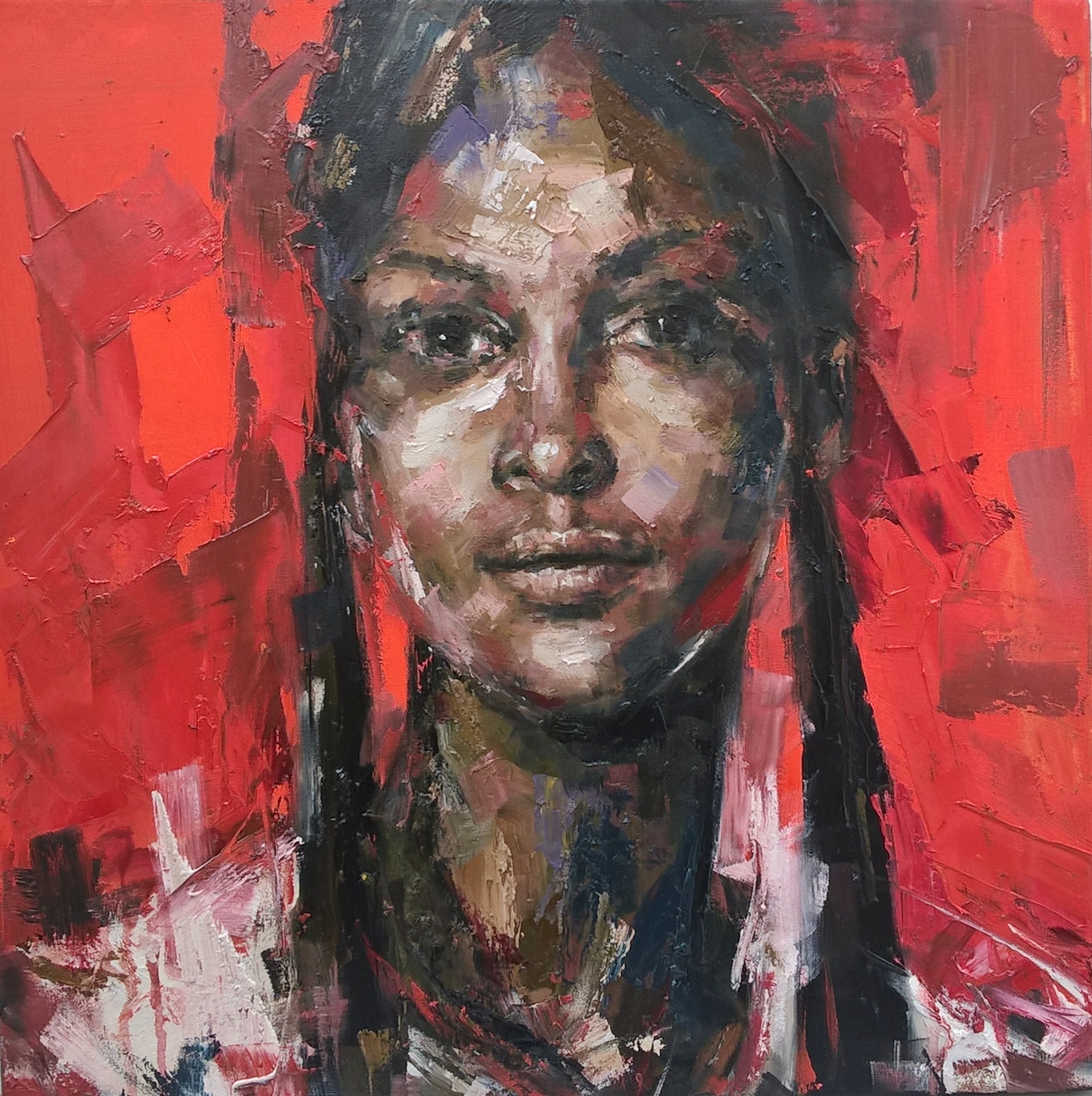
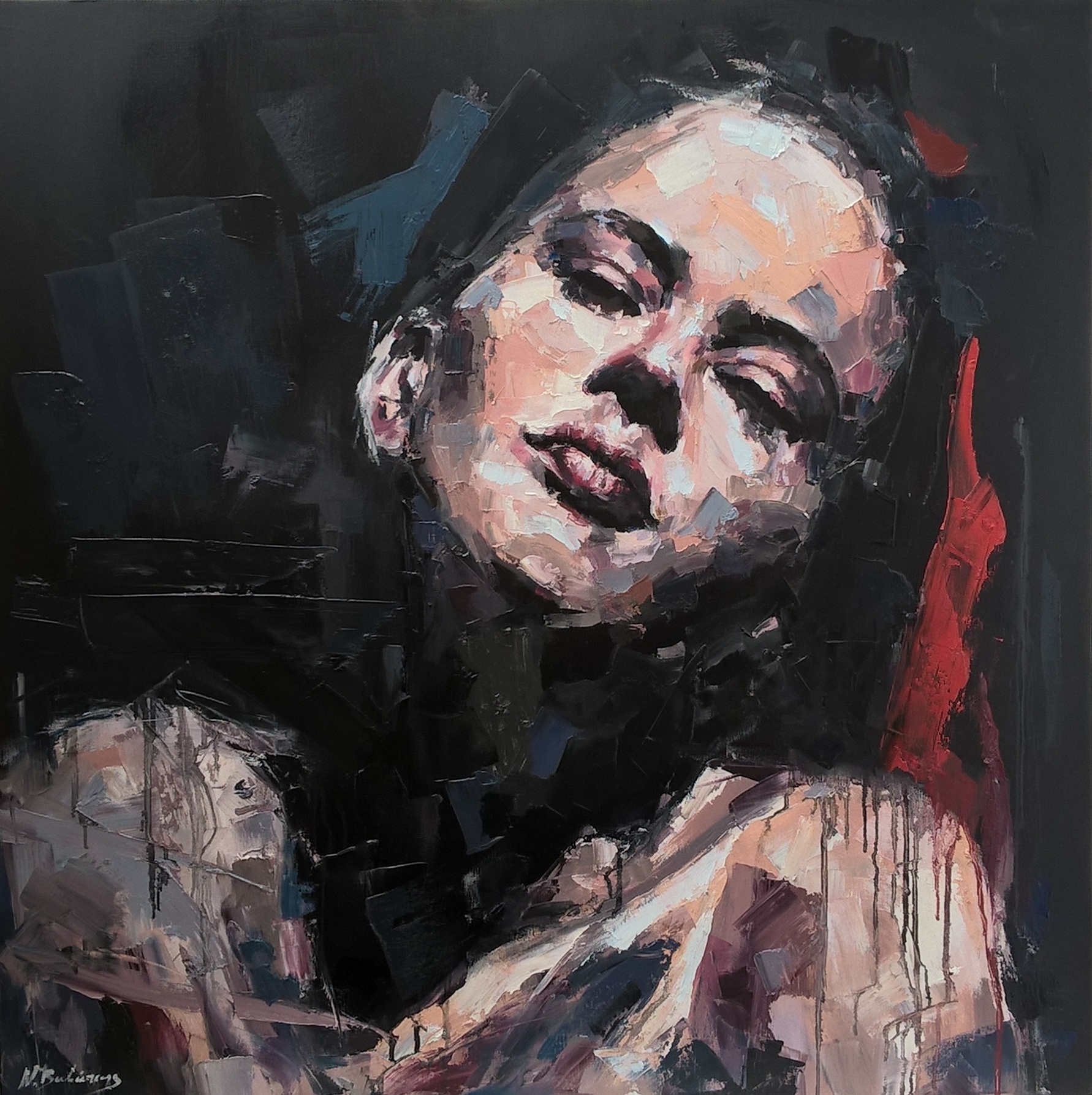
Οι προσωπογραφίες του Νίκου Βαβάτση λειτουργούν σαν καθρέφτες. Με το πρώτο βλέμμα φαίνονται σαν παραμορφωτικοί του ανθρώπινου προσώπου, καθώς τα χαρακτηριστικά του «θάβονται» κάτω από αλληλοεπικαλυπτόμενες, επίμονες και αδρές πινελιές, που αποδομούν αυτή τη μαγική συνάρτηση που συνθέτει τη μοναδικότητα κάθε προσώπου. Σε πολλά έργα, μάλιστα, είναι σχεδόν δύσκολο να διακριθεί αμέσως το θέμα, δηλαδή το πρόσωπο. Είναι τόσο αφαιρετική η προσέγγιση, που μοιάζει με παραμόρφωση, δηλαδή με στρέβλωση της μορφής, η οποία αποτελεί το πρώτο υλικό για την αναγνώριση του άλλου.

Κάτω, όμως, από τα στρώματα που αφήνει το πινέλο, κάτι διαφαίνεται. Κάτι μοιάζει να διασώζεται από την «επιθετικότητα» του καλλιτέχνη. Τα μάτια σ’ ένα πρόσωπο, η μύτη ή το στόμα σ’ ένα άλλο είναι τα σήματα που επιτρέπουν στον δέκτη ν’ αντιληφθεί ότι το έργο δεν είναι τίποτα άλλο από ένα πρόσωπο, ένα μοναδικό πρόσωπο. Αρκεί βέβαια να τηρηθεί μια αναγκαία συνθήκη: η απόσταση από το έργο. Γιατί η εγγύτητα μ’ αυτό αποκαλύπτει μεν την τεχνική του δημιουργού, που παραμορφώνει για να αποκαλύψει, αλλά «σκοτώνει» το έργο, καθώς ο δέκτης δεν μπορεί να συλλάβει την εικόνα. Η απόσταση, αντίθετα, επιτρέπει εκείνο το βλέμμα που όχι μόνο αντιλαμβάνεται την ανθρώπινη μορφή, αλλά- κυρίως-συνειδητοποιεί την πρόθεση του δημιουργού.

Όταν δεν αναπαρίσταται πιστά η ιδιαίτερη μορφή ενός προσώπου, τι μένει από το πρόσωπο; Πώς γίνεται αντιληπτή η μοναδικότητά του; Πώς διαχωρίζεται από τα άλλα πρόσωπα; Εδώ ο δημιουργός επιλέγει εκείνα τα σημεία του προσώπου που αφήνει να φανούν να λειτουργήσουν σαν πύλες που ανοίγουν ένα δρόμο προς τα μέσα, προς το εσωτερικό της ύπαρξης, προς εκείνη την περιοχή όπου κατοικεί ουσιαστικά η μοναδικότητα κάθε ανθρώπου. Την περιοχή των συναισθημάτων. Μάλιστα η διάλυση των περιγραμμάτων των προσώπων διευκολύνει την είσοδο στο εσωτερικό, γιατί το βλέμμα δεν διαχέεται, αλλά συγκεντρώνεται και γι’ αυτό μπορεί και διεισδύει.

Τα θραύσματα των προσώπων που απεικονίζονται στον καμβά φέρουν –παρά την αποσπασματικότητά τους- ένα όλον: ένα πλήρες, μεστό συναίσθημα ή μια συναισθηματική κατάσταση, αδιακρίτως του ποια είναι αυτή. Η αποφασιστικότητα, η προσμονή, η θλίψη, η απογοήτευση, η αίσθηση της ήττας, ο φόβος, μια λανθάνουσα χαρά που διστάζει να εκτονωθεί είναι αυτό που, τελικά, βλέπει ο θεατής, και μάλιστα θα’ λεγε κανείς ότι δεν τα βλέπει απλώς, αλλά αρπάζεται απ’ αυτά, βυθίζεται σ’ αυτά. Και εδώ συμβαίνει κάτι εκπληκτικό. Η μοναδικότητα της κάθε ανθρώπινης ύπαρξης συναντά την καθολικότητα των συναισθημάτων και το έργο λειτουργεί πια όχι σαν παραμορφωτικός καθρέφτης, αλλά σαν καθρέφτης της ουσίας της ανθρώπινης ύπαρξης. Η οποία- πεπερασμένη καθώς είναι- διαλύεται σαν σκιά, αφού όμως πρώτα αφήσει το δικό της ίχνος, μοναδικό και καθολικό ταυτόχρονα. Και μοιάζει αυτή η σειρά έργων να αποτυπώνει εύγλωττα αυτό που έγραφε ο Αρθούρος Ρεμπώ: «Η αληθινή ζωή είναι απούσα, δεν είμαστε στον κόσμο».

Μαρία Πατρώνου , 6-6-2015
Φιλόλογος
Vavatsis` Portraits

«I have got an inner world
that I was ignorant of.
Now, everything goes inside.
I do not know what happens there»

Rainer Maria Rilke

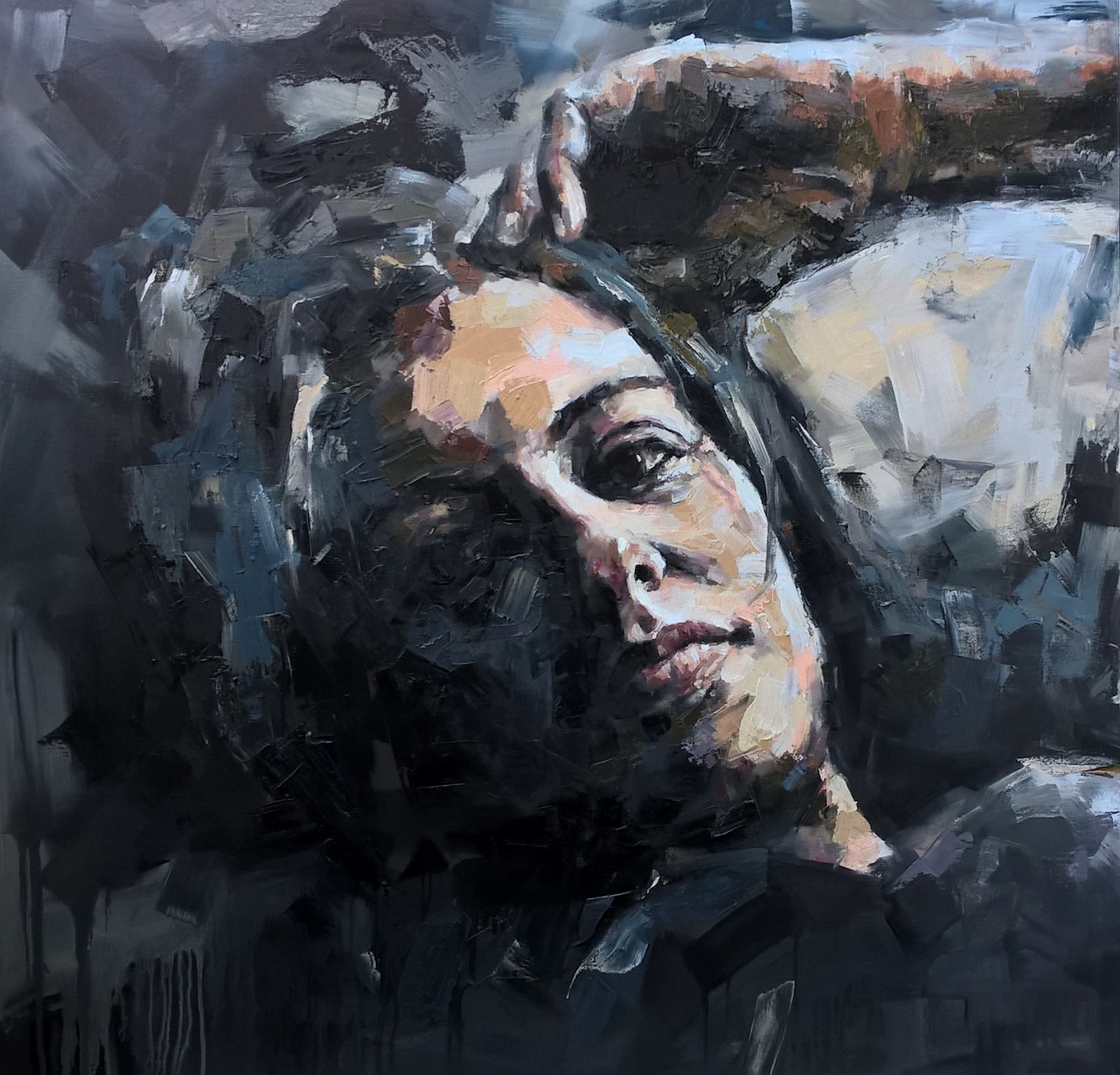
Nikos Vavatsis` portraits behave like a mirror. At first sight they look like distorting the human face, as its characteristics «are buried» under overlapping, persistent and broad brushstrokes, which deconstruct this magic function composing the singularity of each face. In many works, actually, it is almost difficult to decipher the subject at first look, that is the face. The approach is so subtractive, making it look like distortion, like warping of the figure, which is the original material used to recognize the painted face.

But, under the coats the brush leaves, something can be deciphered. Something seems to be saved from the artist’s «aggressiveness». The eyes in one face, the nose or the mouth in another, are the signs allowing the observer to realize that the work is nothing else but a face, a singular face. Under one condition of course:  taking distance from the painting. For observing the painting from very close, you can recognize the artist’s technique, which means distorting the face in order to unveil, but it «kills» the painting, for the observer cannot comprehend the image. The distance, on the contrary, allows that glance which not only comprehends the human figure, but- mainly-realizes the creator’s intention.

When the original figure of a face is not genuinely depicted, what is left from that face? How can its singularity be conceivable? How can it be separated from the other faces? Here the artist chooses those parts of the face that permit to function like gateways opening a way inwards, into the inner world of the being, into that region where practically the singularity of each human being dwells. The region of the feelings. Indeed, the dissolution of the outlines of the face, makes it easier to enter inwards, because the glance is not diffused, but it concentrates and that’s why it can penetrate.

The fragments of the faces portrayed on the canvas bear- despite their fragmentation- a whole: a complete, meaningful feeling or an emotional situation, no matter which this situation is. The determination, the expectation, the sorrow, the disappointment, the sense of defeat, the fear, a latent joy hesitating to relieve, is what finally the observer can see, and in fact you could say that you not only see them, but you are seized by them, you are submerging in them. And here it is that something extraordinary happens. The singularity of each human being meets the universality of the feelings and the painting functions not as a distorting mirror from now on, but as a mirror of the meaning of the human being. Which- being finite- dissolves like a shadow, but it first leaves its own trace, singular and universal at the same time. And this series of paintings seems to eloquently impress what Arthur Rimbaud wrote:
« the real life is absent, we are not in the world »

Maria Patronou, 6/6/2015


Έγραψαν

Από τα τέλη της δεκαετίας του 1980 έως και σήμερα ο Νίκος Βαβάτσης έχει επιδείξει έργο πολυσήμαντο,πολύμορφο και πολυεπίπεδο, μέσα από...
Κριτική Έλλης Κοκκίνη
Ιστορικός, Κριτικός Τέχνης
Οι προσωπογραφίες του Νίκου Βαβάτση λειτουργούν σαν καθρέφτες. Με το πρώτο βλέμμα φαίνονται σαν παραμορφωτικοί του ανθρώπινου προσώπου...
Μαρία Πατρώνου
Φιλόλογος
Nikos Vavatsis` portraits behave like a mirror. At first sight they look like distorting the human face, as its characteristics «are buried» under overlapping...
Maria Patronou
Από τα τέλη της δεκαετίας του 1980,που πρωτοεμφανίστηκε στα καλλιτεχνικά δρώμενα, έως σήμερα, με ζωγραφικά έργα θεατρικών σκηνικών...
Έλλη Κοκκίνη-Καπλάνη
Ιστορικός, Κριτικός Τέχνης

Περισσότερα Νέα